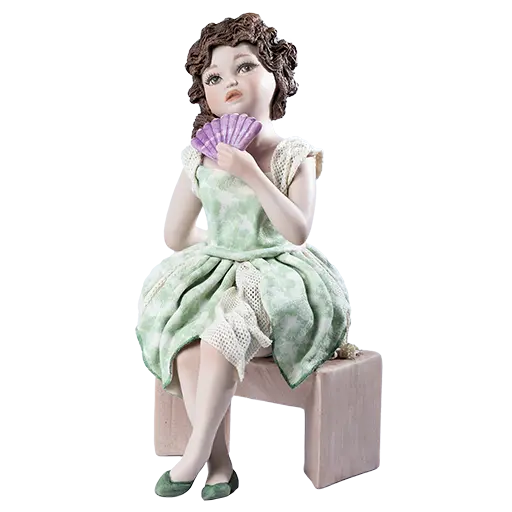
 Limited Editions
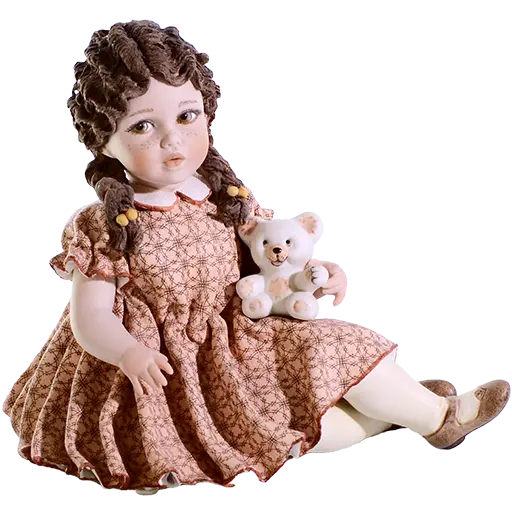 Everyday life
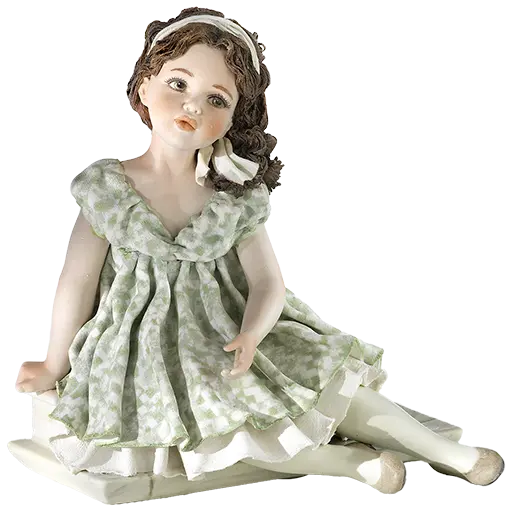 Printemps: fair times
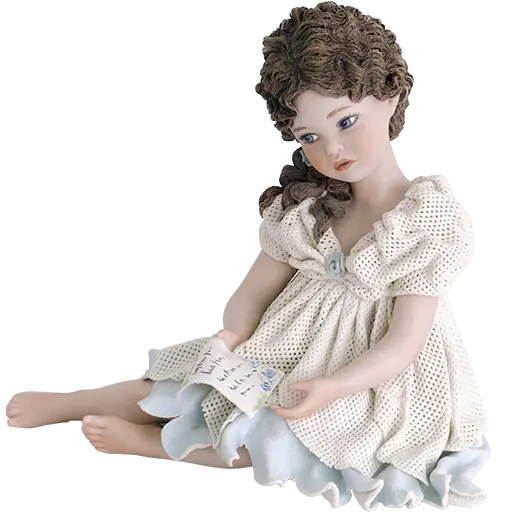 The Clouds: laces
 Petipa: Ballet
 La dolce vita: Vespas
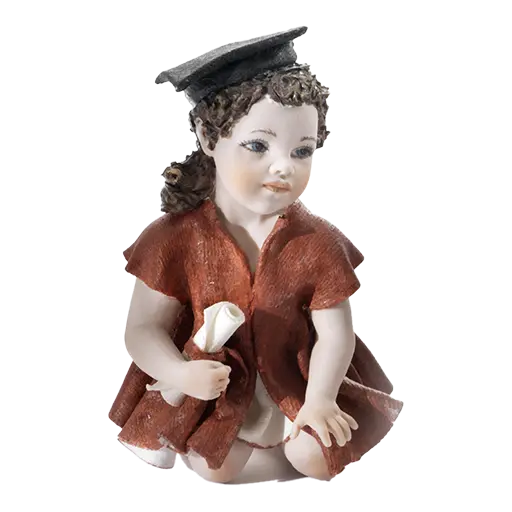 The Graduates
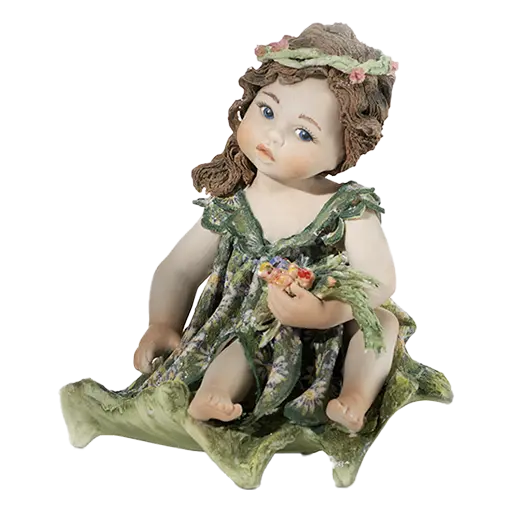 Seasons
 Christmas
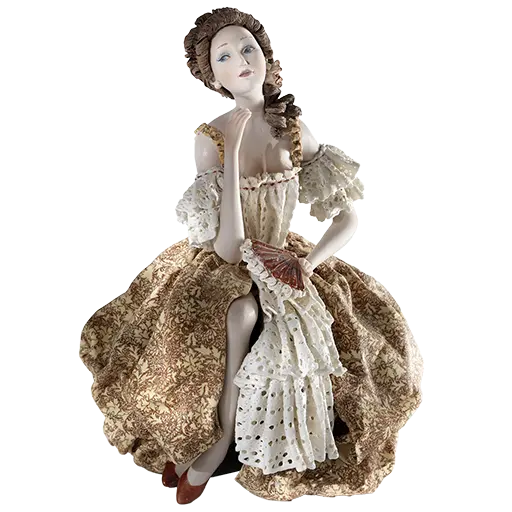 Venetian Carnival
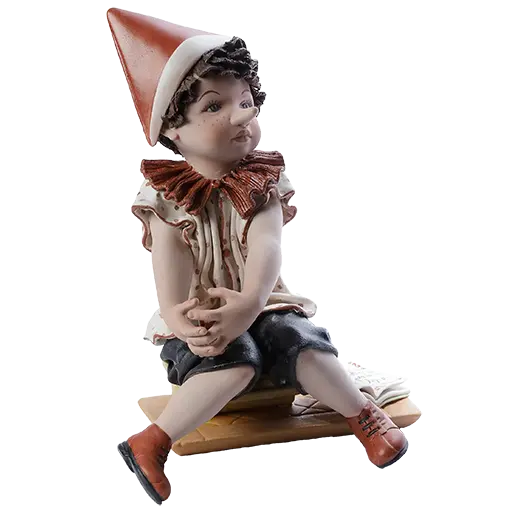 Fairy Tales
 The Zodiac
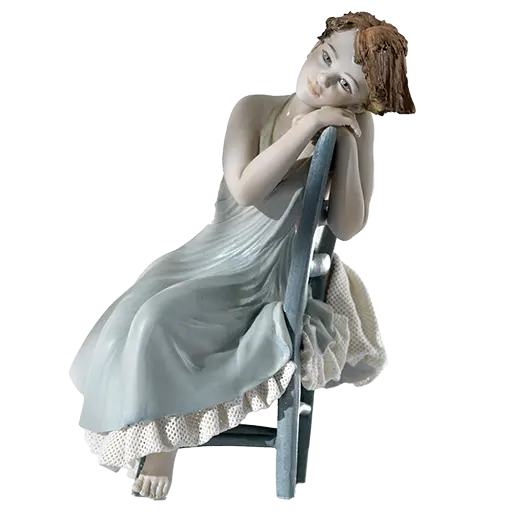 The other Half of the Sky
 PrimeForme
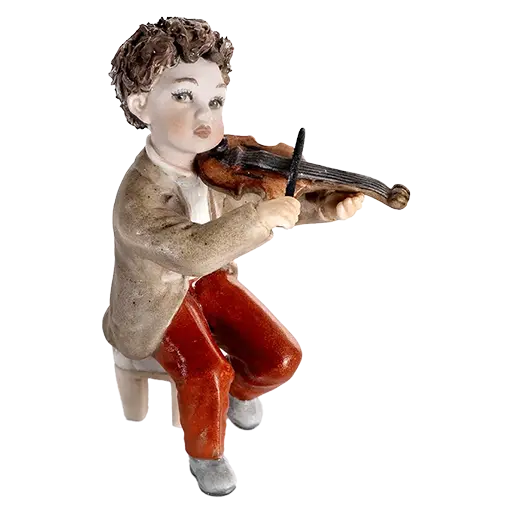 PixieBand
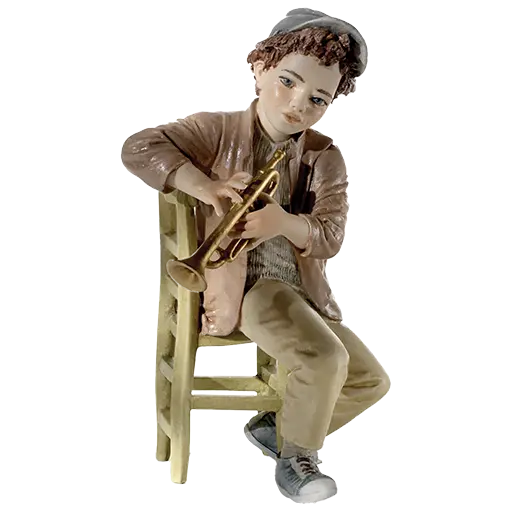 Sweet Swing Band
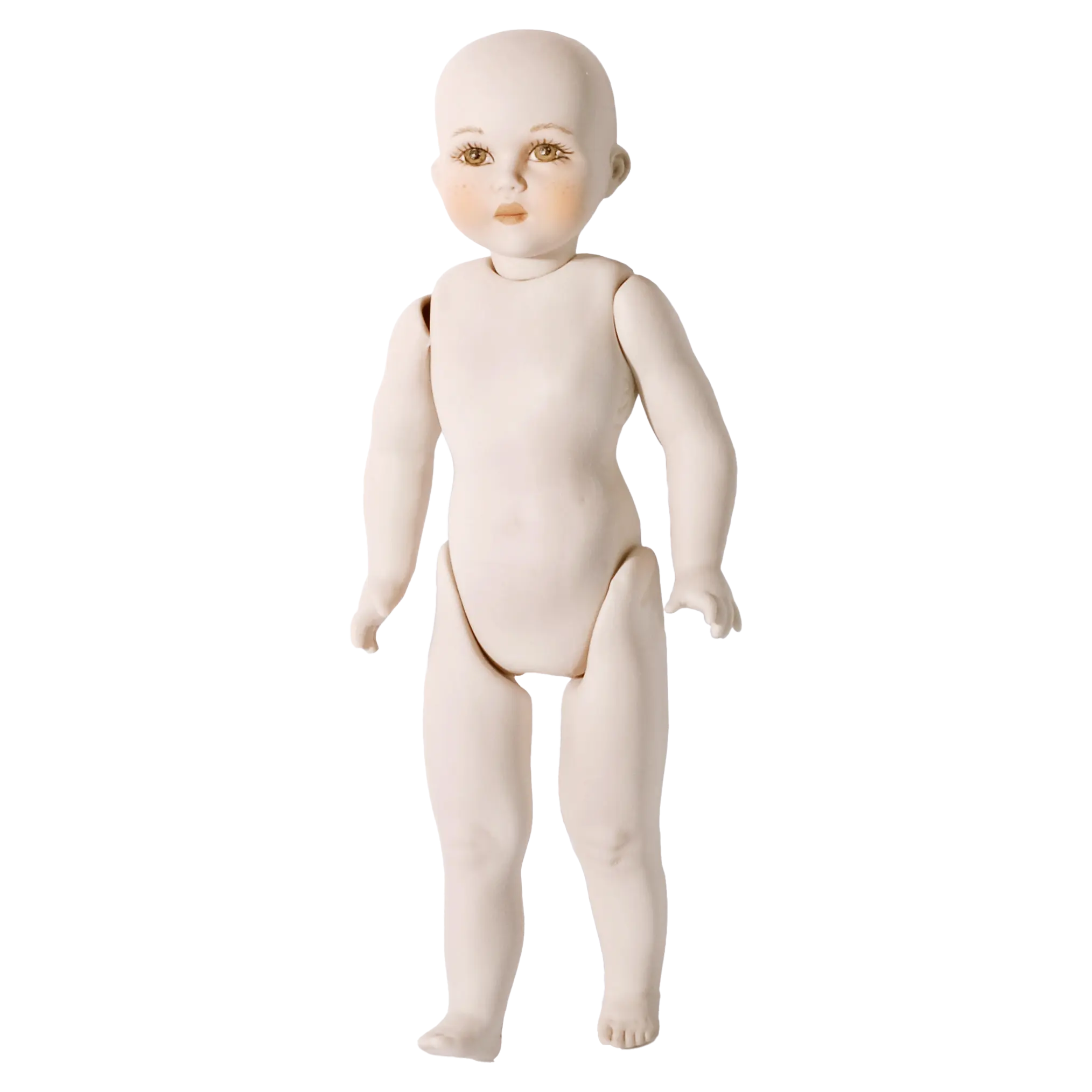 Our little kids
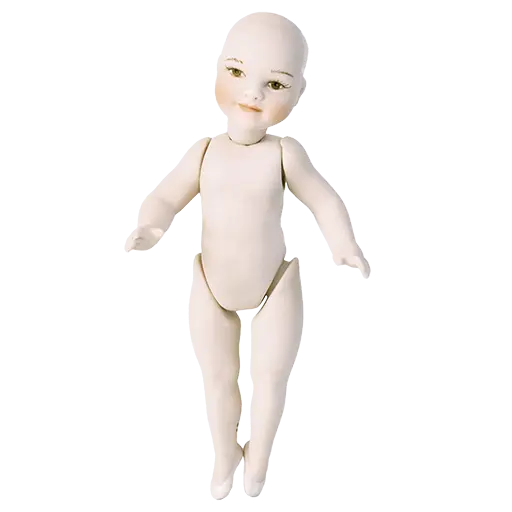 Ballet
 Pinocchio
 Angels
 Domus Formae


Our work

Tradition is a knowledge of hands that cannot be written in books, but passes from hand to hand.
Just like a painter knows that the brush dipped in the right amount of color and held on the piece in the right way and in the right inclination gives a certain effect, so a violinist holds the bow by measuring exactly inclination, weight and strength with something that is inside, for get a certain sound, that one and not another, which has a precise correspondence in the listener.
There are many ways to present a product and the work behind it, and therefore to explain its value.
Among these, we think the best way is to tell our story in a way as simple as possible, and to talk about the work we do every day to achieve our goals, with all the expectations and difficulties and defeats, but also with the successes and satisfaction that our path entails.

1. The sculpture
The model, or sculpture, is the basis of our work. Its realization starts from a block of clay, which is shaped to obtain that particular face, that particular expression or the object it is meant to represent.

2. The plaster moulds
The sculpture is cut into several sections and a mould is made from each one, pouring plaster mixed with the proper amount of water directly on the sections. As each sculpture is made up of several moulds, each mould is made up of several pieces.

3. The forming
Porcelain is a mixture of kaolin, feldspar and quartz, carefully selected and mixed in water to obtain a dense fluid called casting. The casting is poured into the plaster mould, where it begins to lose water and to solidify; when the desired thickness is reached, the piece is emptied from the still liquid part and after a short time can be extracted.

4. Finishing and assembly
Once removed from the moulds, pieces must be trimmed and refreshed, because in the phases described above they always suffer damage due to handling or worn out moulds. The original sculpture is then reassembled and completed with many final details. These must be handmade each time and they constitutes the value of the artisan craftsmanship.
To this point, Sibania conserves the features of traditional porcelain manufacturers, but here one of our most distinguishing elements is introduced.
As we performed in-depth researches on the properties of the materials and techniques that came before us, we produced thin sheets of clay and then perfected a method of impressing on them patterns that are typical of fabrics textures.

5. Our porcelain sheets
In fact we developer a new and innovative method to work with porcelain. As traditionally tulle is mixed with clay and once out of the kiln it turns from fabric into porcelain, so we also wanted our pieces to look like they were produced with actual fabric. While they still are in a malleable state, the decorated sheets are cut to the desired shapes and applied to the sculptures, carefully modeling the drapery on the figures. In turn the hair is made from thin wires of porcelain, which are combed on the nude head of each figure.
These processing phases are extremely delicate, because every mistake causes defects during firing and great care is required to manage the sheets without damaging the decorations.
It was not easy, but today, just for the fun of it, we like to say that although ceramics are 20.000 years old and print is 500 years old, nobody had ever succeeded in producing a print directly on a ceramic statue before us.

6. Firing
Each piece is dried and then exposed to further finishing, in order to remove potential defects. During firing at almost 1300°C the material approaches its point of fusion, thus it is necessary to prop up all the excessively projecting parts or standing figures with special supports. During firing at almost 1300°C the material approaches its point of fusion, thus it is necessary to prop up all the excessively projecting parts or standing figures with special supports. This particular firing is called high fire, due to the high temperature it has to reach.

7. Painting and the third fire kiln
After the high fire, the biscuit is cleaned and sometimes polished to prepare it for decoration. Decoration according to the Capodimonte technique, as handed down from artisan shop to artisan shop, is performed with an amalgamation of colour, vegetable oil and lavender essence. The colour is blended with special brushes or uniformed with a small sponge.<br/>Finally the colour is fixed during the so-called third fire, which we rise at 980 °C, since we use lead-free materials. The colour is blended with special brushes or uniformed with a small sponge. Finally the colour is fixed during the so-called third fire, which we rise at 980 °C, since we use lead-free materials.

8. Last details
Once out of the kiln of the third fire, the pieces are checked meticulously one last time and further details are added, such as the shoulder straps of the bags or the strings of the violins, applied cold on the finished piece.


